
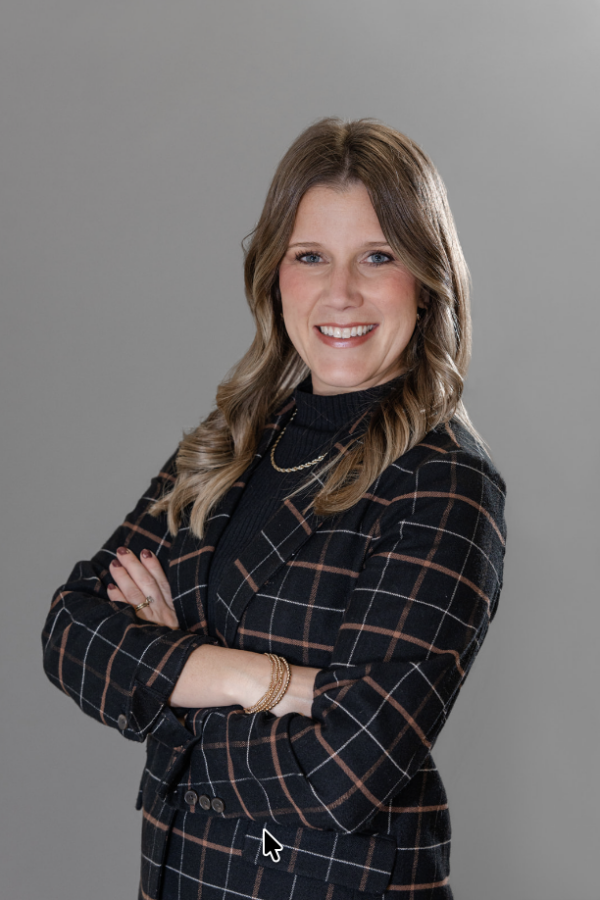
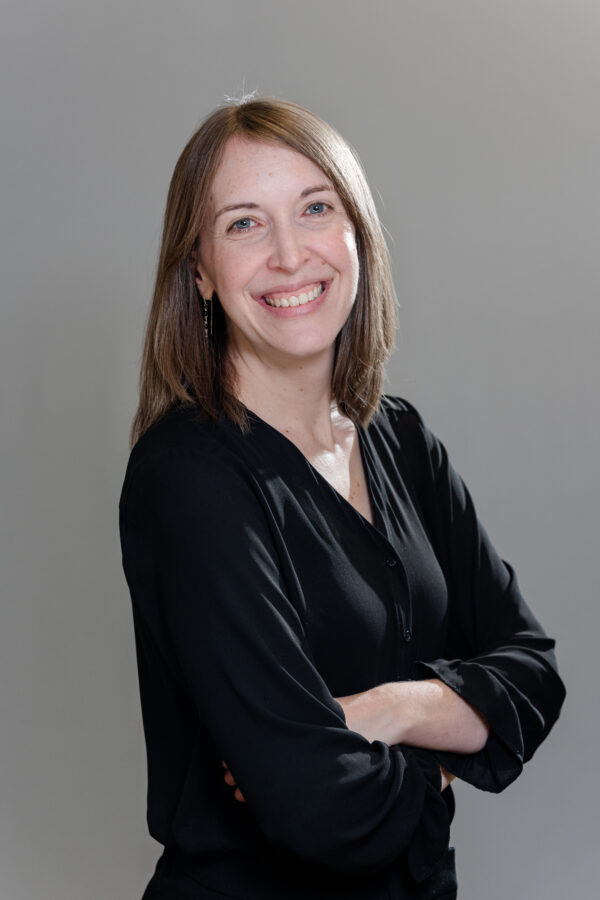
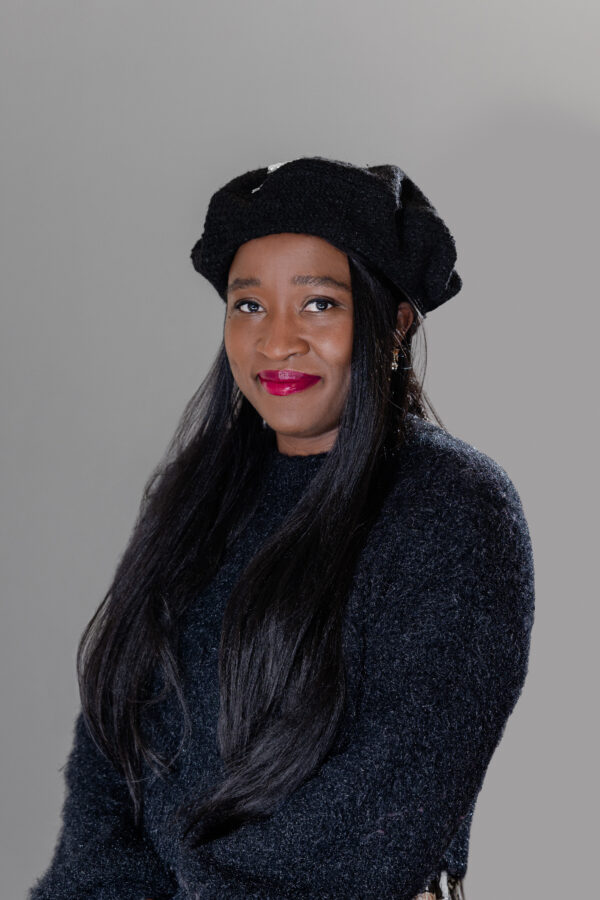
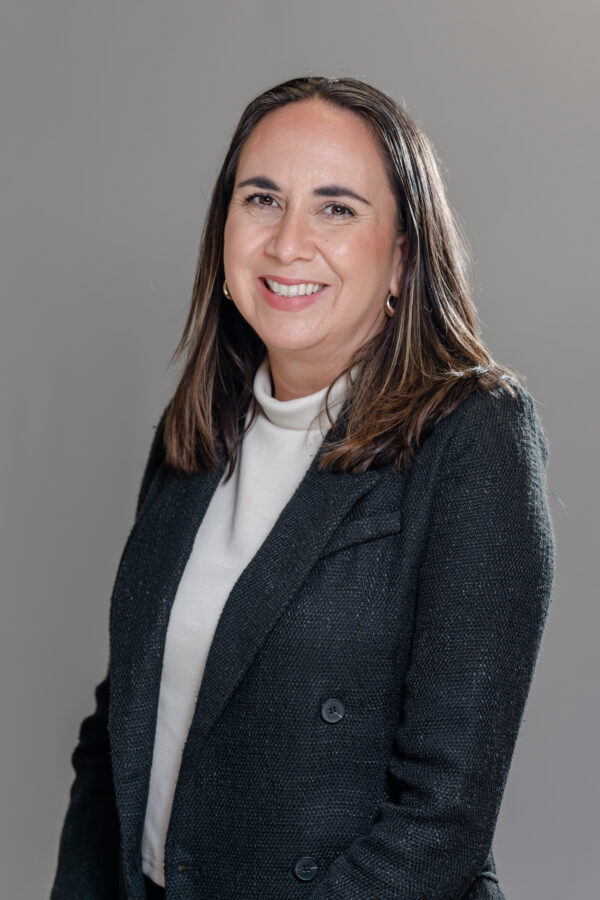


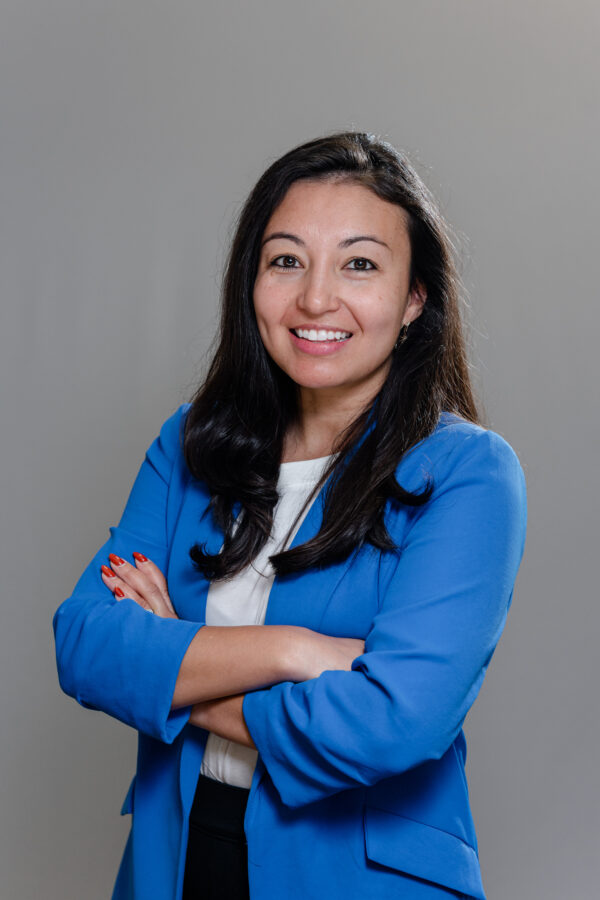
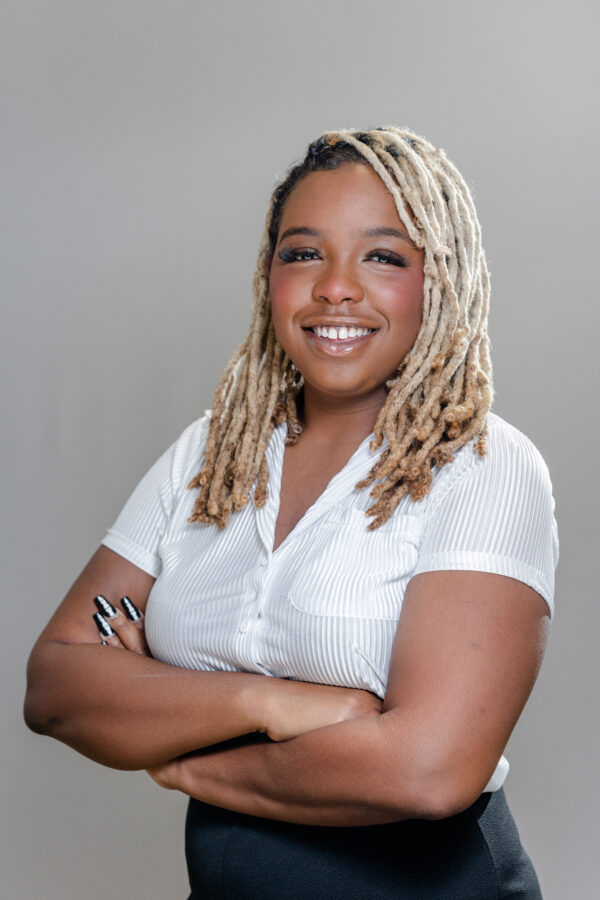
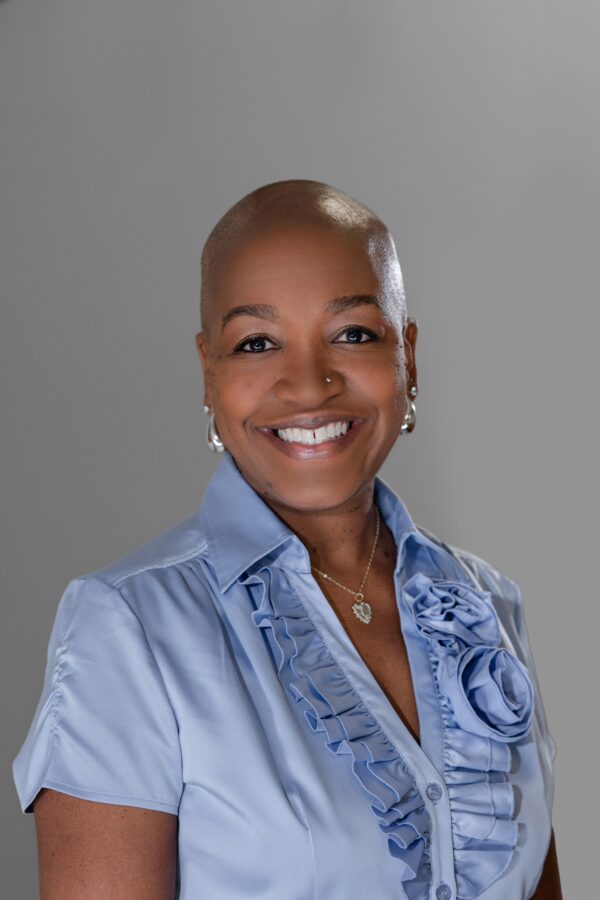
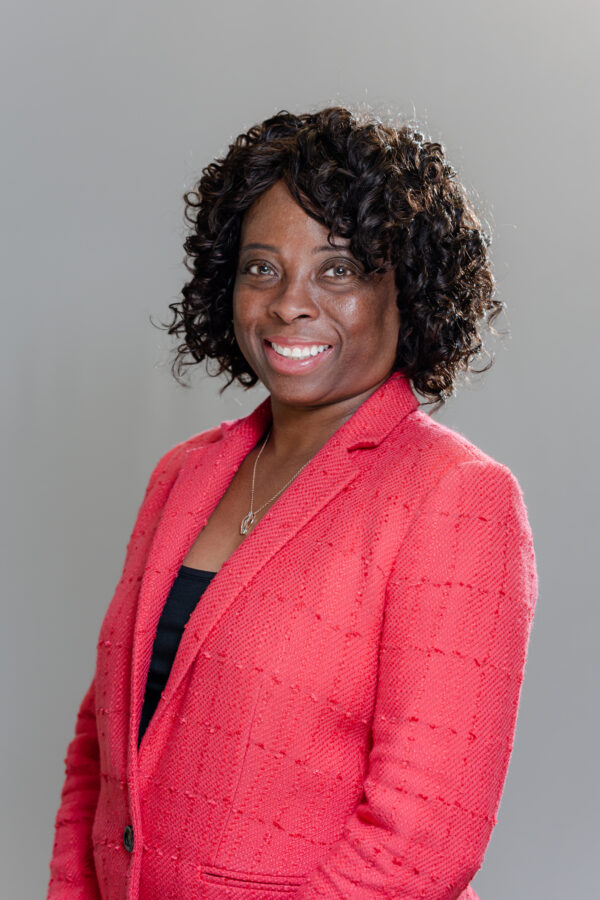
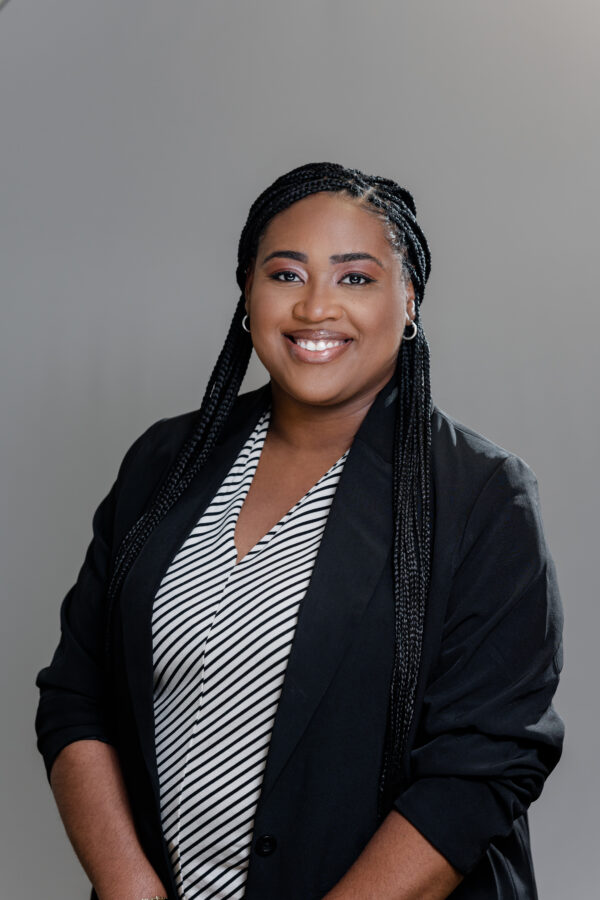
Elizabeth Anderson
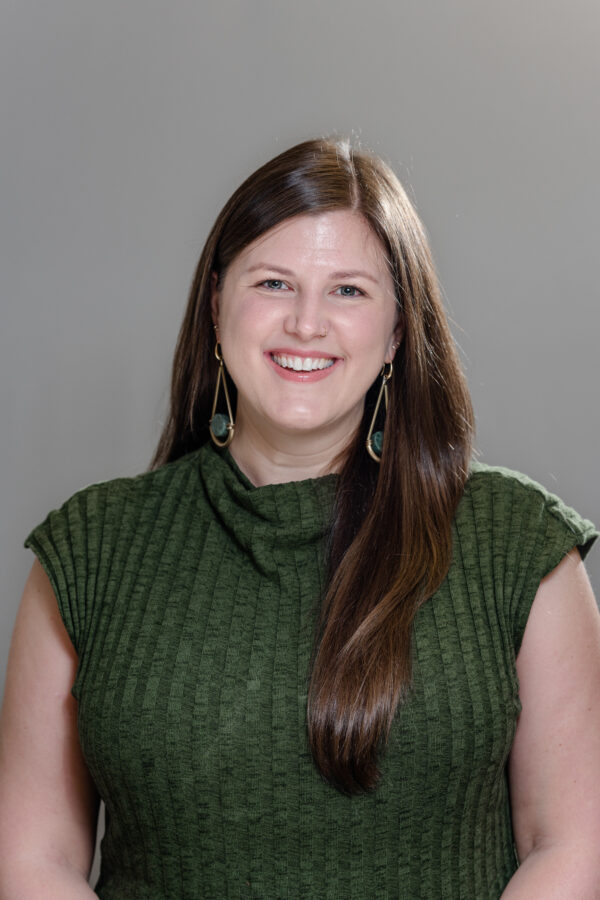
Elizabeth Anderson joined the Public School Forum as Director of the North Carolina Center for Afterschool Programs in Fall of 2022, bringing with her more than 15 years of experience in nonprofit leadership and management of afterschool programs. She is deeply committed to building collaborative, cross-sector partnerships to address complex issues impacting children, teens, and their families. She is particularly passionate about making sure that children and teens have access to safe, high-quality out-of-school enrichment opportunities that allow them to develop their individual interests and identities while supporting their academic, social, and emotional success.
Elizabeth is a North Carolina native hailing from Winston-Salem, NC. She is a product of the North Carolina public school system, from elementary to graduate school. After earning her Bachelor of Arts degree in Journalism and Mass Communication and History from UNC Chapel Hill, she spent almost ten years in New Mexico facilitating and administering school-day, afterschool, and summer programs for children and youth, including at the Georgia O’Keeffe Museum, Girls Incorporated of Santa Fe, Fine Arts for Children and Teens, and Communities in Schools of New Mexico. These experiences showed her the transformative power of afterschool, summer, and other out-of-school time programs and informal learning, starting her lifelong journey advocating and supporting afterschool opportunities.
In 2016, Elizabeth returned home to North Carolina where she earned her Master’s degrees in Social Work and Public Administration with a focus on Community, Management, and Policy practice and Nonprofit Leadership. She was Program Director for Chatham County Partnership for Children from 2020-2022 where she led Child Care Resource and Referral programming for a five-county region and served as a convener and thought leader on early childhood issues in Chatham County.
As Director of NC CAP, Elizabeth provides strategic leadership to develop, drive, and ensure sustainability of NC CAP priorities and initiatives and statewide afterschool policy. She leads the Afterschool Network for North Carolina, regional convenings of afterschool stakeholders, and NC CAP’s annual SYNERGY conference for out of school time providers, educators, and community partners. She also serves as NC CAP’s point person for the Afterschool Alliance and National Afterschool Association to support national out of school time policy and efforts.
Leslie Blaich
What do you do in your current role?
As a Program Manager with the NC Center for Resilience & Learning, Leslie partners with schools to provide training, on-going coaching, and team facilitation. The Center’s model is designed to increase awareness and understanding of the potential impacts of trauma and stress on learning, promote wellness and systems of care, and support the creation of action plans to implement resilience-building strategies throughout the school.
What does a high-quality, equitable education mean to you?
A high-quality, equitable education means that each student and educator has the opportunity to reach their fullest potential through relevant and engaging experiences in safe learning environments. This safety is what allows for risk-taking, memory-making, and deep connection.
What does it mean to you to provide an educational environment where students can thrive?
Students thrive in environments where they are motivated to engage and connect, learn and imagine, and take actions and risks because they know they are safe, supported, and valued.
What’s your ‘why’?
Leslie has been rooted in Western North Carolina for over twenty years. Drawn to and inspired by the beauty of the mountains, she chose to study Elementary Education at Warren Wilson College. She believes deeply in the inherent value and potential of each child and is driven to ensure schools and classrooms are places of joyful learning and transformation – both for students and educators. She is grateful to be part of the NC Center for Resilience and Learning team, serving our state’s public schools.
Areas of Expertise
- Teaching & Learning
- Trauma-Informed Learning Environments
- Facilitation
- Coaching
- People & Culture
Programs, Events, and/or Publications
Wayne Capps
What do you do in your current role?
As the Programs Manager at NC CAP, Wayne focuses on sharing the tools that afterschool and out-of-school time providers seek out in order to enhance their practice. He has a particular focus in delivering content and professional development around providing STEM enrichment and career exploration in informal learning environments.
What does a high-quality, equitable education mean to you?
I consider a high-quality and equitable education to include not only the resources that every student requires in order to be successful in the classroom, but for those students to have safe and enriching spaces to go when school is not in session. Students spend more time out of the classroom than they do in it every day and accessible and robust afterschool and out-of-school time programs provide memorable and fun learning experiences during those times.
What does it mean to you to provide an educational environment where students can thrive?
I believe that an important aspect of providing an educational environment in which students can thrive is creating opportunities and spaces where students can explore their interests in safe and supportive programs. When afterschool and out-of-school times are made widely available and accessible they give students enriching environments with positive role in which they can pursue their interests and passions every day.
What’s your ‘why’?
Wayne joined the Public School Forum and the North Carolina Center for Afterschool Programs after spending many years working the museum world and in the classroom because he felt that he was consistently serving the same students families; those who already had access to and resources for expensive afterschool and summer enrichment. He strongly believes that every student in our state deserves the opportunity to participate in high quality and enriching out-of-school time programming, as such programs can be a determining factor in a student’s success, and works every day to improve access and provide opportunities for the students and youth development professionals working in these space across North Carolina.
Areas of Expertise
- Teaching & Learning
- Out-of-School Time
- Facilitation
- Coaching
Programs, Events, and/or Publications
Stacey Craig
What do you do in your current role?
As a Sr. Program Manager, Stacey manages a number of the Center’s partnerships with districts and schools. She offers bespoke training, coaching and consulting to help partner schools and districts improve their trauma-informed practices to build resilience and success for staff and students. Stacey also helps with special projects to advocate for and support more trauma-informed education across the state.
What does a high-quality, equitable education mean to you?
To me, a high-quality, equitable education means public school environments where educators are supported to get to know all of their students, and to foster school cultures where students gain a positive sense of themselves, and the skills they need to live into the life that they want.
What does it mean to you to provide an educational environment where students can thrive?
To me, providing an educational environment in which students can thrive means understanding and valuing them as whole people, in ways that offer them a sense of safety, belonging, agency, capability, and possibility.
What’s your ‘why’?
A deep sense of empathy and responsibility led Stacey to take an interest in social justice issues as a teenager. After years of learning from many others, she developed a deep conviction in the potential of public education to empower each person with the information, skills and connections they need, to have positive influence over decisions that impact them. Stacey sought to align her personal strengths with her passions by entering the field of school-based mental health. There, she learned about the impacts of trauma in education and gained experience coaching and consulting schools in bettering their practices. Since 2019, Stacey has been so grateful that, through the Forum, she can support trauma-informed education practices in her home state.
Areas of Expertise
- Trauma-Informed Learning Environments
- Equity
- Coaching
Programs, Events, and/or Publications
Lisa Curzon
Lisa graduated from the University of Central Florida in 2009 as a first generation college graduate with a BS in Sports & Fitness: Event Management. She has used her talents and education both professionally and personally to support small businesses, local community groups and nonprofits. With a background in administration, event management, and non-profit organization, Lisa joins the Forum team as an Operations Coordinator serving Operations, Finance, and the Executive Director. She looks forward to using her various skills and assets to support the Forum team and mission.
Elizabeth DeKonty
What do you do in your current role?
As the Sr. Director for the NC Center for Resilience & Learning, Elizabeth leads a statewide team focused on providing training and coaching support to schools and districts around trauma-informed education practices. Elizabeth leads a team of 13 coaches spread across the state and works in partnership with over 30 school districts to create safer and more supportive learning environments for staff and students.
What does a high-quality, equitable education mean to you?
To me, a high-quality, equitable education means that every student has access to resources and the individualized support they need to reach their own personal definition of success.
What does it mean to you to provide an educational environment where students can thrive?
To me, providing an educational environment in which students can thrive means a place focused on creating a sense of safety and belonging for every staff member and every student, a place that focuses on the whole child including the social-emotional well-being of students in addition to their academic needs, and a place where they feel both challenged and also supported and cared for.
What’s your ‘why’?
Elizabeth’s passion has always been to lead work that supports children and families to best thrive in their own communities. After completing her MSW and becoming immersed in research related to the impact of trauma and stress on the brain, when the opportunity presented itself to lead a new project in schools related to trauma-informed practices with educators, she was eager to bring together past work she had done through other programs in schools and her new learnings related to trauma and resilience. Leading trauma-informed training and coaching and building a brand new statewide program with a growing team has allowed Elizabeth to put her previous experience and learnings along with her passion into practice.
Areas of Expertise
- Trauma-Informed Learning Environments
- Facilitation
- Coaching
Programs, Events, and/or Publications
Jaime Detzi
What do you do in your current role?
As Senior Director of Strategic Partnerships, I lead the development and management of relationships that advance our organization’s mission and impact. I work collaboratively across internal teams to identify funding opportunities, cultivate meaningful partnerships, and align strategic initiatives with the priorities of foundation, corporate, and individual donors. My role bridges external engagement with internal programmatic goals to ensure sustainable financial support for our work and long-term organizational growth.
What does a high-quality, equitable education mean to you?
A high-quality, equitable education to me means that regardless of your zip code or learning needs, every student in NC has access to the resources they need to succeed.
What does it mean to you to provide an educational environment where students can thrive?
Students thrive in an environment where they feel heard, their individual learning needs are met, with a high-qualified teacher in every classroom.
What’s your ‘why’?
During the years she spent at home while raising her children, Jaime was an active and engaged member of each school community. Having lived in multiple states and witnessed firsthand the promise and potential of strong public education systems, she was inspired to become more deeply involved in local public schools—driven by a commitment to ensure that all students have access to the resources and opportunities they need to thrive.
Areas of Expertise
- Finance
- Operations
Programs, Events, and/or Publications
Orlando Dobbin, Jr.
What do you do in your current role?
As Regional Director with the NC Center for Resilience and Learning, I help schools across Eastern North Carolina implement trauma-informed practices. By providing coaching, professional development, and collaborative support, I work alongside educators to build resilience and foster safe, supportive learning environments for both staff and students..
What does a high-quality, equitable education mean to you?
A high-quality, equitable education means schools are environments where students have access to the tools, support, and resources they need to unlock their potential and share it with their communities and the world—no matter their zip code. It’s about creating a place where students feel like they belong, feel seen, and feel empowered to dream big and accomplish their biggest dreams.
What does it mean to you to provide an educational environment where students can thrive?
Providing an environment where students can thrive means creating spaces where they feel inspired daily, have opportunities to discover themselves and their interests, and know that their unique perspectives are valued and appreciated. It’s about ensuring their academic, social, and emotional needs are met while developing systems and structures that allow them to experience belonging, build community, and grow into the leaders they have the potential to become.
What’s your ‘why’?
Growing up in rural Eastern North Carolina, I saw firsthand how inequities can limit the potential and development of youth. I also witnessed how schools and the education system can be a powerful force in providing students with the support, resources, and care they need to pursue their dreams and become the best version of themselves. Being part of a team that works to create systems and structures enabling future generations of children—just like me—to reach their goals through the Public School Forum is truly a dream come true.
Areas of Expertise
- Trauma-Informed Learning Environments
- Facilitation
- Coaching
Programs, Events, and/or Publications
Jessica Edwards
What do you do in your current role?
I support Elizabeth in her role as Director and serve as a key point of connection across our team. I assist our Resilience Coaches as they work in schools across North Carolina, helping to ensure they have the resources and support they need. I also manage data collection from partner schools, edit program content, develop toolkits, and oversee the creation of communications that we share externally. My work helps ensure that both our internal processes and outward-facing materials are effective, aligned, and mission-driven.
What does a high-quality, equitable education mean to you?
I believe our public schools should be a place in which every student receives what they need to learn, grow, and excel. Equitable education means meeting each child where they are.
What does it mean to you to provide an educational environment where students can thrive?
Public education should be one of the places in our world where every child feels valued, cared for, and encouraged. It’s not just about academics—it’s about belonging. I believe this sense of safety and support is the foundation of a healthy, equitable society.
What’s your ‘why’?
In 2020, I was introduced to resilience-building strategies, which have since become a cornerstone of my personal and professional outlook. I have always been a passionate advocate for public education, and my dedication to supporting students and communities has been a consistent thread throughout my career.
For four years, I worked at a small private university in Eastern North Carolina, serving in multiple roles, including youth camp director, academic advisor, and Designated School Official for international studies. These experiences deepened my understanding of student development, cross-cultural engagement, and the transformative power of education.
When I learned about The Forum’s work—and specifically the mission of the Resilience & Learning team—I immediately recognized a meaningful alignment with my values and experiences. The opportunity to combine resilience-building with public education in a tangible, community-centered way is exactly the kind of work I’m passionate about. This is a role I know I can show up to every day with both vision and heart.
Areas of Expertise
- Teaching & Learning
- Trauma-Informed Learning Environments
- Operations
Programs, Events, and/or Publications
Lauren Fox, Ph.D.
Lauren has more than fifteen years of education research and policy experience at the local, state, and national levels. Her work at the Forum involves guiding the organization’s research, policy analysis, engagement, and advocacy efforts in order to support a strong and equitable system of public education in North Carolina. Lauren also serves on the Guiding Committee for the Color of Education and is a founding board member of the Education Justice Alliance.
Prior to joining the Forum, Lauren lived for ten years in New York City, where she worked as a researcher and consultant for a number of organizations including The Public Good, the Center for Understand Race and Education, the Ford Foundation, the New York Civil Liberties Union, and the U.S. Department of Justice. Lauren earned her Ph.D. in Sociology and Education with a concentration in Education Policy from Columbia University’s Teachers College and her undergraduate degree from UNC Asheville. She grew up in Charlotte, NC and is a proud graduate of the Charlotte Mecklenburg School System.
Brittany Gregory
What do you do in your current role?
As a Storytelling Fellow, Brittany Gregory works with educators, students, and families to lift up the stories behind North Carolina’s Community Schools movement. She captures how schools become hubs of health, learning, and belonging—where local partnerships make lasting change possible. Through her storytelling, Brittany helps connect local success stories to a statewide vision for thriving public schools and thriving communities.
What does a high-quality, equitable education mean to you?
In the context of our state, I believe a high-quality, equitable education fulfills the promise of a sound, basic education as stated in our state constitution. North Carolina’s children deserve schools that serve as the heartbeat of their communities, places that offer strong academics, meaningful enrichment, and a sense of belonging so every student can thrive on the path they choose after graduation.
What does it mean to you to provide an educational environment where students can thrive?
Creating an environment where students can thrive starts at their doorstep, extends through their school, and connects to the broader community. When schools have the funding, resources, and flexibility to meet the unique needs of their students and foster meaningful family engagement with education and civic leaders, they become places where every child can truly flourish.
What’s your ‘why’?
Brittany Gregory is a proud product of Moore County public schools and the Jim Hunt era of public education, raised by Rosenwald School graduates who believed deeply in the power of learning and community. She brings the perspective of her eastern, rural North Carolina roots and weaves it together with her experiences as a teacher in the Triangle, giving her a full view of how our schools shape lives across the state. Now a parent navigating public education from a new vantage point, Brittany has seen North Carolina’s schools from every angle—student, teacher, policymaker, and mother. She joined the Forum in 2025 because she believes storytelling is a powerful tool to shift the narrative of public education, and North Carolina has a rich legacy of championing it.
Areas of Expertise
- Education Policy
- Teaching & Learning
- Trauma-Informed Learning Environments
- Research
- Facilitation
- People & Culture
Programs, Events, and/or Publications
Magan Gonzales-Smith
In her role at the Forum, Magan supports the Forum teams in measuring impact and telling the story of our work, partnership with the NC Community Schools Coalition and other strategic initiatives.
Magan’s passion for public education and commitment to education justice is shaped by being the daughter of a first-generation college student and her work for over 15 years with states and school districts across the country. Having spent most of her life in North Carolina, Magan has a deep love for our state and a commitment to making it a place where all people can thrive.
Magan’s career has been dedicated to working with communities, systems-leaders and policy makers to create stronger and more equitable educational opportunities for young people. Prior to joining the Forum, Magan served as Senior Director for Educational Equity at MDC. In 2018 Magan worked alongside other community leaders to create and launch the Durham Public Schools Foundation (DPSF) where she went on to serve as the founding Executive Director. In her time leading DPSF, Magan grew the organization to be a trusted partner to the community and school district in connecting resources to strengthen and uplift Durham’s public schools and building community support for local public schools. At DPSF she developed several major campaigns and community partnerships including Durham FEAST to provide meals during Covid school closures, Accelerating Digital Equity to support students through remote learning and the WHOLE Schools Campaign to strengthen mental health supports in schools.
Her other past work includes leading research partnerships and learning networks, supporting school districts in teacher recruitment and retention strategies, and supporting Superintendents with state policy and advocacy.
Magan received her B.A. in Political Science from George Washington University and her Master’s in Public Policy from Duke University. Magan lives in Durham with her husband and two daughters who attend a Title I public school.
Tia Hilber
What do you do in your current role?
As an intern with the Communications Team, Tia supports a variety of projects that facilitate the Forum’s external communications. She also manages the Forum’s Friday Report, ensuring that the newsletter remains informative and engaging for subscribers.
What does a high-quality, equitable education mean to you?
To me, a high-quality, equitable education means public schools that are fully-equipped and willing to work to meet the diverse needs of all of every student, allowing each child to reach their fullest potential in a supportive and nurturing environment.
What does it mean to you to provide an educational environment where students can thrive?
To me, creating an educational environment where students can fully thrive means providing an attentive space that balances safety and support with meaningful opportunities for growth and challenge.
What’s your ‘why’?
During her time in the North Carolina Public School System, Tia discovered her passion for activism and for advocating on issues affecting her school community. In her senior year of high school in 2023, one of her most influential teachers connected her with the Forum to pursue an internship. Since then, she has worked with the Forum to continue advocating for the advancement and support of public schools; so that other North Carolina students can discover their passions alongside inspiring educators and within diverse learning environments, just as she did.
Areas of Expertise
- Education Policy
- Research
- People & Culture
Programs, Events, and/or Publications
Sara Howell
What do you do in your current role?
Sara oversees the NC Education Policy Fellowship (EPFP) and helps design the Forum’s local engagement and advocacy work. She also helps track and analyze education policy developments.
What does a high-quality, equitable education mean to you?
When students receive a high-quality, equitable education, their unique academic and social-emotional needs are met. They are supported by a community of educators who are invested in their growth.
What does it mean to you to provide an educational environment where students can thrive?
To thrive in an educational environment, a student needs access to a fully-funded local public school that offers a safe, affirming space for them to learn. Their schools are led by educators who are well-prepared, well-compensated, and supported by school and district leadership.
What’s your ‘why’?
Sara is a lifelong North Carolinian, Wake County Public Schools graduate, former Durham Public Schools educator, and a parent of two future North Carolina Public Schools students. She celebrates the power of our local public schools and also recognizes the potential they have to grow when fully and equitably funded. First exposed to the work of the Forum as a NC Education Policy (EPFP) fellow in 2018, she joined the Forum in 2021.
Areas of Expertise
- Education Policy
- Teaching & Learning
Programs, Events, and/or Publications
Michelle Harris Jefferson
What do you do in your current role?
As Senior Manager of Professional Development, Michelle (HJ) designs and facilitates virtual, in-person, and hybrid learning experiences for educators across North Carolina. She leads the development of trauma-informed, resilience-focused trainings that equip school and district staff with the tools to support student well-being and foster sustainable, inclusive learning environments.
What does a high-quality, equitable education mean to you?
To me, a high-quality, equitable education means creating school environments where every student feels safe, seen, and supported, and where educators’ social, emotional, and physical well-being is prioritized so they can bring their best selves to the classroom. When both students and educators are supported, schools can truly remove barriers and foster thriving, inclusive learning communities.
What does it mean to you to provide an educational environment where students can thrive?
To me, providing an educational environment where students can thrive means creating spaces where they feel safe, valued, and supported—socially, emotionally, and academically—while also ensuring educators have the tools and well-being needed to sustain that environment.
What’s your ‘why’?
Growing up in Henderson, NC and navigating my own experiences with poverty, trauma, and resilience, I learned firsthand how deeply education shapes lives and futures. After graduating Summa Cum Laude from NC State University, I served as a teacher and curriculum facilitator, where I saw a profound need for trauma-informed support in schools. That realization inspired me to expand my work by consulting with districts on trauma-informed strategies and professional learning, as well as sharing my story through my memoir, What Doesn’t Kill You. My passion for resilience, equity, and sustainable practices ultimately led me to the Forum, where I now create professional development that helps educators and schools across North Carolina thrive.
Areas of Expertise
- Teaching & Learning
- Trauma-Informed Learning Environments
- Racial Equity
- Equity
- Facilitation
- Coaching
- People & Culture
Programs, Events, and/or Publications
Annie Jonas
What do you do in your current role?
As Program Manager for Resilient Afterschool Programs, Annie leads the Western North Carolina (WNC) After 3PM Collaborative and provides professional development, coaching, and support to help afterschool programs foster reflection and growth while advancing trauma-informed practices and leadership capacity in afterschool, summer, and expanded learning programs in Western NC. Annie is the liaison between the NC Center for Afterschool Programs and the NC Center for Resilience and Learning, bringing trauma-informed classroom practices out of the school day and into afterschool settings.
What does a high-quality, equitable education mean to you?
A high quality equitable education looks like an environment and the associated systems that support that environment are accessible and available to all students. It also means that the barriers that get in the way of this education are intentionally investigated, considered, and addressed.
What does it mean to you to provide an educational environment where students can thrive?
An educational environment in which students thrive is a place where individual voices, skills, and talents are encouraged and amplified. Students are actively participating in their growth and learning — and contributing to an environment that is welcoming and is a place of belonging.
What’s your ‘why’?
Annie’s why is to be a connector and facilitator of people, ideas, and systems to support all people to live lives of purpose, meaning, and joy. Her passion for education, and experiential education in particular, is the space where she has chosen to put this “why” to work in the world.
Areas of Expertise
- Teaching & Learning
- Out-of-School Time
- Trauma-Informed Learning Environments
- Facilitation, Coaching
Quintin Mangano
What do you do in your current role?
As a Program Manager and Resilience and Learning, Coach Quintin provides training to educators to support mindset shifts toward understanding the impact of stress and trauma on the development and growth of all people. He supports the staff within the schools he serves to learn and grow within themselves in order to better meet the needs of their students and their school community.
What does a high-quality, equitable education mean to you?
A high-quality, equitable education means that students are afforded an positive experience each day at school. That they have the opportunity to learn in a safe environment and build connections with people, and with their dreams and aspirations. Learning should be relevant, supportive and delivered through a growth minded approach to achievement.
What does it mean to you to provide an educational environment where students can thrive?
Students can thrive in a learning environment where they feel valued and supported. Where they can learn about self discipline, self awareness and develop a sense of ownership over their own destiny.
What’s your ‘why’?
Quintin grew up in a family of educators including his parents and many aunts, uncles and cousins. He taught middle school science and math for seven years before moving into school administration. He began his teaching career in Trenton New Jersey where he taught at an alternative middle school serving inner city children in 6th-8th grade. He then moved to North Carolina where he taught five years in Halifax County NC, at William R. Davie Middle School. During that time he earned his masters degree in school administration from East Carolina University and began his career as a school administrator serving four years as an Assistant Principal in Nash County at three different schools. Quintin spent his last nineteen years as an Elementary School Principal in Nash County serving four different schools over the course of his tenure. He worked with the NC Center for Resilience and Learning with two of his schools over the past four years and was drawn to continue the work of supporting students and staff in the areas of developing growth mindsets, a comprehensive understanding of stress response, the impact of trauma on learning and a focus on building resilience and personal responsibility for all. Quintin retired after thirty years serving the citizens in Nash County and The Center for Resilience and Learning was a perfect place for him to continue his work to serve and support school communities.
Areas of Expertise
- Teaching & Learning
- Trauma-Informed Learning Environments
- Equity
- Coaching
- People & Culture
Programs, Events, and/or Publications
Photo credit
Malasia McClendon
What do you do in your current role?
As Strategy, Communications, and Impact Specialist at the Dudley Flood Center, Malasia leads strategic plan implementation, oversees communications, and aligns programs with the Center’s mission to advance educational equity. Her work blends data, storytelling, and innovation to connect history, policy, practice, and people across North Carolina.
What does a high-quality, equitable education mean to you?
A high-quality, equitable education ensures every child has access to the resources, support, and opportunities they need to thrive. It means centering students’ lived experiences, honoring the unique needs of every child, and removing systemic barriers so all learners can succeed.
What does it mean to you to provide an educational environment where students can thrive?
A high-quality, equitable education ensures every child has access to the resources, support, and opportunities they need to thrive. It means centering students’ lived experiences, honoring their unique needs, and removing systemic barriers to create conditions where each learner can reach their full potential.
What’s your ‘why’?
Driven by a deep commitment to equity, systems-level change, and expanding the capacity of communities historically excluded from equitable access to opportunity, Malasia McClendon brings a multidisciplinary background in policy, philanthropy, and education to her work. A North Carolina native and public school graduate, she earned a B.A. in Political Science from NC State University and a Master of Public Administration from UNC Chapel Hill.
Her professional experience includes roles in philanthropy, state government, and nonprofits—most notably at the Z. Smith Reynolds Foundation, where she supported strategic grantmaking and nonprofit capacity-building. These experiences deepened her desire to work at the intersection of strategy, storytelling, and community impact, ultimately leading her to the Public School Forum of North Carolina. As a member of the Flood Center team, Malasia contributes to the design and execution of statewide programs, leads storytelling and communications strategy, and supports data-informed impact reporting and strategic alignment. She is especially drawn to work that centers community voice, challenges systemic inequities, and leverages policy, data, and narrative as tools for transformative change.
Areas of Expertise
- Education Policy
- Racial Equity
- Equity
- Research
- Facilitation
- Operations
- People & Culture
Programs, Events, and/or Publications
- Rural Teacher Leader Network
- Education Community Council
- Educational Equity Fellowship/Internship
- Equity Officer Network
- Student Voices
- The DRIVE Coalition
- Jeanes Fellowship Program
- Educator Summer Collaborative
- Mapping the Movement
- NC Desegregation & Resegregation Timeline
- History Counts
- Color of Education
Ann McColl
What do you do in your current role?
I lead an amazing organization that is rooted in the values of public education. As interim, I’m mindful of what we can do, collaboratively in a short period of time, to move our vision and mission forward.
What does a high-quality, equitable education mean to you?
The idea of students thriving is central to this concept: this means to me that all students are engaged (and enjoying) learning; have access to what they need to thrive in the educational environment; and gain what they need to thrive as citizens in our communities.
What does it mean to you to provide an educational environment where students can thrive?
Students should feel safe; that they belong; that they have the opportunity to love learning – and learn how to learn; and have the opportunity to thrive in the community afterwards by being prepared for work and/or college.
What’s your ‘why’?
I have had a multi-decade career in public education as a lawyer, advocate, non-profit leader, and professor. And perhaps what has informed my “why” the most has been the least paid work: my history work on the NC Constitution and the inspiring leaders who had a clear conviction of the need for public education. It is easy for me to find my why in the importance of public education for thriving students, thriving communities, and a thriving democracy. I’m thrilled to be here at the Public School Forum.
Areas of Expertise
- Education Policy
- School Finance
- Racial Equity
- Equity
- Research
- People & Culture
Programs, Events, and/or Publications
Angela Mendell
What do you do in your current role?
As a Senior Program Manager, Angela serves the Southeast Region of the state partnering with school districts and individual schools in Resilience and Learning work. She serves as lead coach in Center partner schools providing intensive and ongoing coaching around creating trauma-informed environments; and support school leaders in their readiness and action-planning process. She also provides management, coordination, and oversight of program implementation and growth efforts in designated schools.
What does a high-quality, equitable education mean to you?
To me a high-quality, equitable education means making sure that ALL students, regardless of background or circumstances, are provided what they need to succeed and meet their full potential.
What does it mean to you to provide an educational environment where students can thrive?
To me providing an educational environment where students can thrive means providing them an environment where they feel safe, valued and respected and where the learning is engaging and effective.
What’s your ‘why’?
While trying to make a decision on retiring from Bladen County Schools as a Behavior Specialist and MTSS Coordinator Angela knew she wanted to continue working in some compassitity to support and advocate for students. Angela believes that it was Divine intervention that lead her to the Public School Forum/NC Center for Resilience and Learning. Working with the Center and partnering with schools allows Angela to share her passion for the work each and everyday, while also provides her the opportunity to draw from her lived and work experience, training skills and knowledge of public education.
Areas of Expertise
- Teaching & Learning
- Trauma-Informed Learning Environments
- Facilitation
- Coaching
Programs, Events, and/or Publications
Tracee Moore
What do you do in your current role?
As Operations Manager, I’m responsible for building, scaling, and ensuring systems run efficiently to minimize risk and keep our work aligned with our mission and values. I lead internal operations, cross-team coordination, and governance support—helping the Forum function smoothly while staying rooted in purpose.
I’m intentional about designing workflows that not only support the sustainability of our work, but also create systems that truly work for our teams—so they can stay focused on impact, not just process. I genuinely find joy in the pursuit of excellence and take pride in building structures that help the Forum thrive at every level.
My work is centered on anticipating needs, closing gaps before they widen, and embedding access, opportunity, and equity into the core of our operations. Because when our internal systems reflect our values, we’re better positioned to support the educators, leaders, and communities working every day to create stronger outcomes for students in North Carolina’s public schools.
What does high-quality, equitable education mean to you?
To me, a high-quality, equitable education means every child has access to a learning environment that sees them, values them, and equips them to thrive. It’s about honoring their identity, nurturing their unique strengths, and creating schools where students feel safe, families are welcomed as partners, and every child is given the opportunity not just to succeed, but to belong, be believed in, and break cycles to build a brighter future.
What does it mean to you to provide an educational environment where students can thrive?
To me, providing an educational environment where students can thrive means creating a space where they feel safe, supported, and deeply valued—where their identities, cultures, and experiences are reflected in the curriculum and learning materials. It’s about empowering them to show up fully, believe in themselves, and grow with confidence and purpose.
What’s your ‘why’?
For me, it starts with systems that center the needs of the child and partner with the family. After 15 years in the classroom, I knew my purpose had to extend beyond one school building. I’ve always believed that access, advocacy, and authentic relationships have the power to transform what’s possible for students—especially those who’ve been historically pushed to the margins.
I carry a deep affinity for rural schools, for communities working to close academic and opportunity gaps, and for students whose brilliance too often goes unseen. Whether I was raising over $93,000 to expand access for my students or pursuing a Master’s in Reading and Literacy to strengthen my research and culturally responsive practice, I’ve remained grounded in the belief that every child deserves an education that sees and supports them fully.
My time in the 2023–24 Educational Policy Fellowship sharpened that lens and affirmed my calling. The Forum represents the intersection of my classroom experience, policy passion, and operational skill set—a space where I can help build systems that not only function well, but reflect the values of equity, care, and excellence for all students in North Carolina’s public schools.
Areas of Expertise
- Operational Systems & Organizational Design Support
- Governance & Strategic Board Support
- Cross-Team Collaboration & Process Building
- Education Equity, Literacy & Culturally Responsive Practice
MKayla Nelson
What do you do in your current role?
As a Program Manager, I support public schools in Western North Carolina in co-creating trauma-informed environments and interventions that meet the needs of students, staff, and leadership. Through relationship-building and ongoing coaching, I guide schools through a 1–2 year academic cycle of implementation and growth.
What does a high-quality, equitable education mean to you?
To me, high-quality, equitable education means supporting every aspect of student development and ensuring that all students receive a meaningful education—regardless of identity, background, or socioeconomic status.
What does it mean to you to provide an educational environment where students can thrive?
To me, a thriving educational environment is one where both students and staff feel safe, healthy, supported, and celebrated—with spaces and systems in place to nurture their growth and well-being.
What’s your ‘why’?
After growing up in the mountains of Western North Carolina, MKayla studied Social Work at Appalachian State University and the University of Tennessee-Knoxville. Guided by a passion for equitable care, she focused on providing trauma-informed mental health treatment to children and adolescents. Her dedication to trauma-informed practices deepened following Hurricane Helene, inspiring her to adopt a more macro-level approach through community education and advocacy. This path ultimately led her to join the NC Center for Resilience and Learning in 2025.
Areas of Expertise
- Trauma-Informed Learning Environments
- Racial Equity
- Equity
- Facilitation
- Coaching
- People & Culture
Programs, Events, and/or Publications
Elizabeth Paul
What do you do in your current role?
As Sr. Manager of Policy and Research, Elizabeth leads the Forum’s policy and data analysis, including research on school finance, student outcomes, and education policies. Her work includes the annual Local School Finance Study and biannual North Carolina Education Policy Primer.
What does a high-quality, equitable education mean to you?
A high-quality, equitable education is one in which our local public schools serve all children with the resources, support, and investment to meet them where they are at, both inside and outside of the classroom, to prepare them for life.
What does it mean to you to provide an educational environment where students can thrive?
Providing an educational environment in which students can thrive means viewing students as whole children with needs outside of the classroom first and foremost and providing resources and support to help them with whatever those needs may be.
What’s your ‘why’?
Elizabeth is a proud product of North Carolina’s public schools. After transitioning to Vanderbilt University as a first-generation college student, she decided to dedicate her career to supporting public schools and creating more equitable educational opportunities for all children. Elizabeth holds a B.S. in Human and Organizational Development with a track in Education Policy and a B.A in English from Vanderbilt University, along with a Master’s Degree in Public Policy from Duke University’s Sanford School.
Areas of Expertise
- Education Policy
- School Finance
- Equity
- Research
Programs, Events, and/or Publications
Kevoni Polanco-Nelson
Kevoni Polanco-Nelson joins the Dudley Flood Center for Educational Equity and Opportunity as the new Program Coordinator. As the Program Coordinator, she will provide overall support and organization for the Flood center, support communications, and disseminate information about the Flood Center’s programmatic and research efforts. Additionally, she supports the programmatic work of the center such as the Student Voices Webinar Series, Rural Teacher Leader Network, Color of Education Summit, and other programmatic efforts as needed.
Prior to joining the Public School Forum, Kevoni worked with national organizations like the Girl Scouts and Big Brothers Big Sisters.
Kevoni is a native of Boston, Massachusetts and earned a Bachelor of Arts in Psychology from the University of Massachusetts. She has devoted over 20 years to youth advocacy, mentorship, and empowerment. Starting her career in child welfare and behavioral health before transitioning to the nonprofit sector. She has over 10 years of experience in the nonprofit sector. She’s excited to join the team and support educational equity for all students.
Ana Ramirez
What do you do in your current role?
As a policy and research intern, Ana supports the Forum’s policy publications such as the Local School Finance Study and the Roadmap of Need through data gathering, cleaning and analyzing.
What does a high-quality, equitable education mean to you?
A high-quality, equitable education means providing every student an inclusive, supportive and empowering space to have a happy childhood and a successful future.
What does it mean to you to provide an educational environment where students can thrive?
Providing an educational environment where students can thrive means advocating and protecting their freedom to imagine, dream and create.
What’s your ‘why’?
Ana grew up in the Houston public school system where she witnessed first-hand the power a public education can have on students’ ability to be leaders, change-makers and empathetic individuals. As a Political Science major at Duke University, she has studied how policy can either propagate or mitigate inequities exogenous and endogenous to education. Ana decided to join the Forum in 2025 in order to meld these first-hand experiences with evidence-based advocacy.
Areas of Expertise
- Education Policy
- Teaching & Learning
- School Finance
- Racial Equity
- Equity
- Research
Programs, Events, and/or Publications
Brian Randall
What do you do in your current role?
As Western Regional Manager, Brian works with a team of regional coaches to partner with schools and local organizations to expand resilience for students and educators.
What does a high-quality, equitable education mean to you?
To me, a high-quality equitable education means all students are surrounded with respected educators who create experiences for them to discover their passions and explore their strengths.
What does it mean to you to provide an educational environment where students can thrive?
Providing an educational environment where students can thrive means creating a space where every student feels safe, seen, and supported—academically, socially, and emotionally. It’s about fostering curiosity, connection, and confidence so all learners can grow into their full potential.
What’s your ‘why’?
“A child’s life change change dramatically with the unexpected experience of being taken serious by an adult who believes in their abilities and challenges them to succeed.” – Paul Tough
Areas of Expertise
- Teaching & Learning
- Out-of-School Time
- Trauma-Informed Learning Environments
- Facilitation
- Coaching
- People & Culture
Programs, Events, and/or Publications
Jennifer Rifkin
What do you do in your current role?
As Sr. Coordinator, I support the planning and execution of policy events, communications, and advocacy efforts, while helping to streamline internal systems and track progress toward team goals. I also lead coalition-building efforts with our Education Policy Fellows to foster sustained engagement and collective advocacy for equitable public education across North Carolina.
What does a high-quality, equitable education mean to you?
A high-quality, equitable education means that every child is engaged, supported, and challenged in their learning through experiences that are relevant to their interests and their desire to contribute meaningfully to the world. It also means that educators are prepared, empowered, and resourced to meet the diverse needs of all students, and that public schools are positioned as key contributors to solving today’s most pressing challenges.
What does it mean to you to provide an educational environment wehre students can thrive?
To me, students thrive in environments where they feel brave—where they have the courage to persist through challenges, the skills to think critically, and the opportunity to let their talents flourish. Thriving means not just academic growth, but feeling seen, supported, and inspired to reach their full potential.
What’s your ‘why’?
As a child, I spent my summers teaching English and public health in classrooms in the Philippines, and during the school year, I tutored peers and students at the Boys & Girls Club—I’ve always loved teaching. I studied Political Science and African & African Diaspora Studies in undergrad with the goal of pursuing a career in politics, specifically in education policy. I knew I’d be a stronger advocate if I had classroom experience, so I joined Teach For America and began my teaching career in Nash-Rocky Mount. I later taught in Wake County and took on roles supporting schools as an ELA Coordinating Teacher for Middle School Programs and as an Instructional Coach. As I complete my graduate studies in Education Policy & Leadership, I’ve made the intentional shift from practice to policy. I’m grateful to work with a passionate and brilliant team, and I strive to bring over a decade of classroom and district experience to our policy research and advocacy at the Forum.
Areas of Expertise
- Education Policy
- Teaching & Learning
- Racial Equity
- Equity
- Research
- Facilitation
- Coaching
Programs, Events, and/or Publications
Chanté Russell
What do you do in your current role?
As Sr. Communications Manager, Chanté helps steer the Forum’s external communications including social media, publications and various other channels across teams. She also maintains the Forum’s relationships with media outlets across the state and country and assists with logistics for several major events throughout the year.
What does a high-quality, equitable education mean to you?
To me, a high-quality, equitable education means local public schools in which every student is given the support needed to imagine a successful future for themself, and the tools to achieve that future.
What does it mean to you to provide an educational environment where students can thrive?
To me, providing an educational environment in which students can thrive means giving them a place where they can feel safe, celebrated, challenged and supported.
What’s your ‘why’?
After discovering a love for writing at a young age, Chanté studied journalism at Howard University where her interest in social issues bloomed. As a sociology minor, she learned how access to education played a role in various inequities. The decision to marry these interests in hopes of pursuing a career that was both meaningful and personally fulfilling led Chanté to join the Forum in 2022.
Areas of Expertise
- Equity
- Operations
- People & Culture
Programs, Events, and/or Publications
Eulanda Thorne
What do you do in your current role?
As a Senior Program Manager, Eulanda provides professional development for educators and stakeholders to build understanding and awareness about trauma, stress, and their potential impacts. She supports implementation of school-based strategies for building wellness and resilience for staff and students with ongoing coaching and technical assistance.
What does a high-quality, equitable education mean to you?
When I think of a high quality, equitable education, I imagine every student having the resources and support they need to develop their full academic and social potential. To me, this requires eradicating systemic barriers that are influenced by social determinates such as race, gender, and income.
What does it mean to you to provide an educational environment where students can thrive?
Providing an educational environment where students can thrive means that a space has been created that is safe physically, emotionally, and psychologically. The educational environment would be supportive, and academically engaging, fostering a sense of belonging, confidence, and curiosity. Finally, there would be differentiated instruction that meets students’ diverse needs which includes positive teacher and peer relationships.
What’s your ‘why’?
My personal journey of healing brought me to this work. This journey enables me to offer support to others not because of the facts that I know, but because of my experiences. Although our human experiences do differ, I genuinely believe that as humans, we are all connected. We are connected by our stories of triumph and we are connected by our stories of grief or pain. With this, I believe we can make a conscious choice to grow through our adversity as resilience is in all of us and our adversity is not destiny. My “why” is because through my own experiences, my former role as a classroom educator has been reshaped and I have been given this beautiful gift of imparting knowledge in a way that fosters connection and healing. It is an empowering opportunity to help educators, administrators, students and families know that we can indeed connect and support healing “together” by educating ourselves. By learning, you will teach, and by teaching, you will learn. And so is this cycle of passion with me; I have learned how to build my own resilience so that I can support and teach others
Areas of Expertise
- Teaching & Learning
- Trauma-Informed Learning Environments
- Equity
- Facilitation
- Coaching
Programs, Events, and/or Publications
Deanna Townsend-Smith, Ed.D.
In her capacity as Senior Director, Dr. Townsend-Smith will advance and expand the current programmatic and policy efforts of the Flood Center in an effort to achieve its mission of addressing issues of systemic racism by advocating for structural changes in policy and practice to build an equitable education system that meets the social, emotional, and academic needs of NC’s diverse student population.
Dr. Deanna Townsend-Smith has been working in education for over 20 years. In 2014, she earned her doctorate in Educational Leadership. She has worked and gained expertise in a variety of roles, including as a teacher, mentor, new teacher coach, administrator and, most recently, as the Director of Board Policy and Operations for the North Carolina State Board of Education. Prior to that role, Dr. Townsend-Smith served as the assistant director in the NC Office of Charter Schools. Deanna has a passion for education and has dedicated her life’s work to the field. Most of her career has been spent in North Carolina, where she resides with her husband and son. In her spare time, she enjoys spending quality time with friends and family, reading, and traveling.
Camry Wilborn Mercer
What do you do in your current role?
As Equity Coach at the Dudley Flood Center for Educational Equity and Opportunity, Camry leads teacher recruitment and retention programs such as the Charlotte Hawkins Brown Fellows Program and the DRIVE Coalition. She also designs and facilitates professional learning through the Framework for Change, provides technical assistance workshops for schools and districts, and manages the Center’s research and policy work, including issue briefs and the Equity Dashboard. In addition, she oversees the Center’s fellows and interns and manages the History Counts grant to support equity-focused initiatives statewide.
What does a high-quality, equitable education mean to you?
To me, a high-quality, equitable education means that every child has the resources, support, and opportunities they need to reach their full potential, with systems designed to eliminate barriers that have historically marginalized students and communities.
What does it mean to you to provide an educational environment where students can thrive?
To me, providing an educational environment where students can thrive means cultivating spaces where students feel safe, affirmed, and challenged, and where their identities and lived experiences are valued as central to their learning journey.
What’s your ‘why’?
My path to the Forum reflects both a professional and deeply personal commitment to advancing equity and justice in education. As someone who had to be resilient within harmful public school systems and who was often measured by narrow definitions of success, I do this work so that Black girls like me will not have to endure those same constraints—resilient only because systems failed them, or thriving only in ways deemed acceptable by others. After earning degrees from Wake Forest University and the University of Chicago, I began working at the intersection of equity research, policy, and practice. Now, as a Ph.D. student in Higher Education: Opportunity, Equity, and Justice at NC State University, I was drawn to the Forum because of its mission to confront systemic inequities and reimagine education so that all students can succeed on their own terms.
Areas of Expertise
- Education Policy
- Teaching & Learning
- Racial Equity
- Equity
- Research
- Facilitation
- Coaching